Entradas

Imagen
La  República Dominicana tiene muchos kilómetros de playas  tan hermosas como los demás. Limita al sur con el Mar Caribe, al norte con el Océano Atlántico y al este con el Canal de la Mona que la separa de la vecina isla de Puerto Rico. La costa del Atlántico Norte es de aproximadamente 586 kilometros y la costa del Caribe 545 km con playas, playas y playas. Por los turistas extranjeros las más conocidas son las playas de Punta Cana Bávaro, Bayahibe, la Península de Samaná y Puerto Plata, Cabarete, Sosua. Incluso si son todas las aguas más o menos igual, arena, palmas de coco, turquesas y cálidas... siempre hay un poco de algo que hace un poco de diferencia y hace que cada playa.
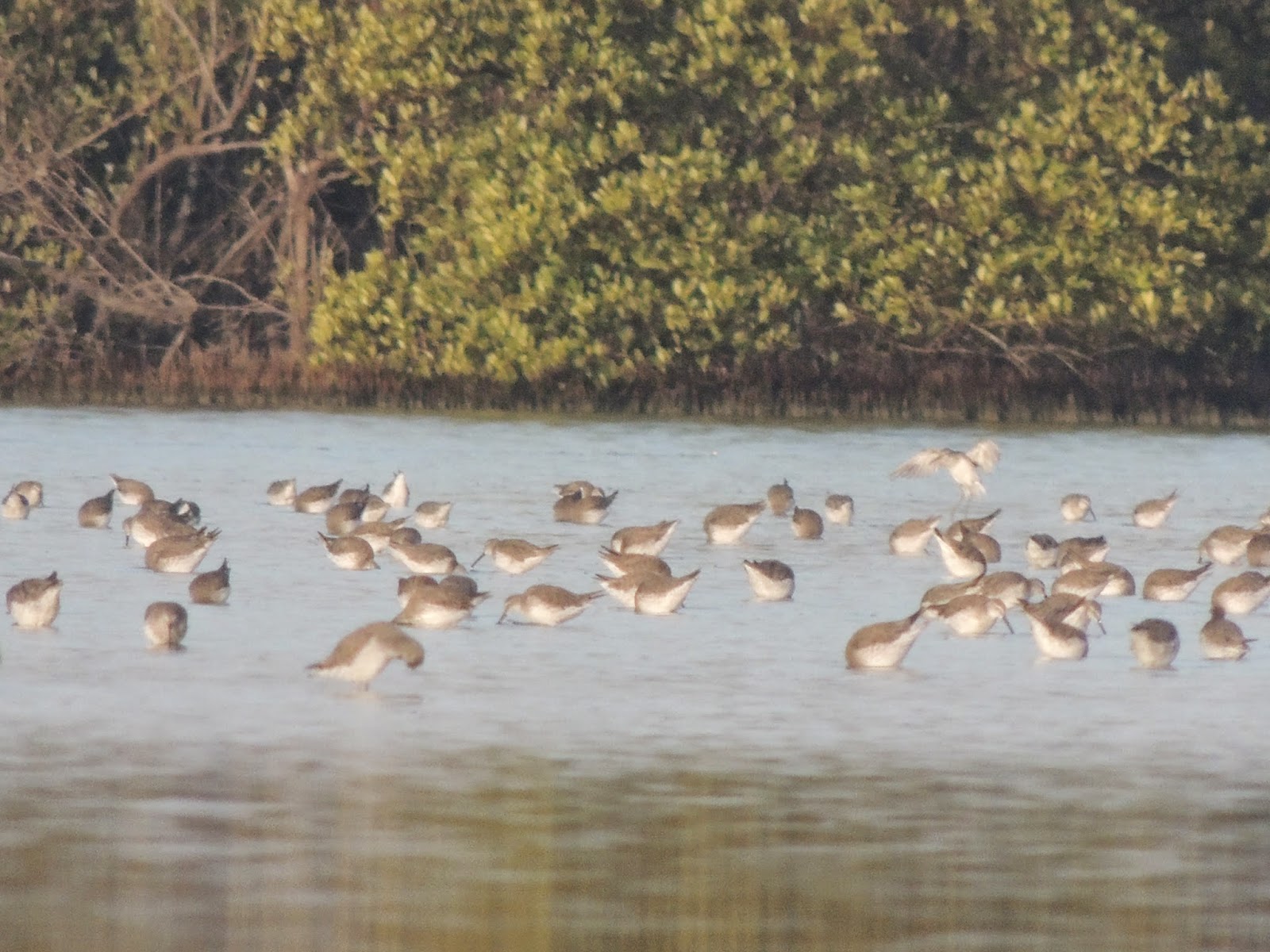
Sandpipers form D.R.

Imagen
Sandpipers in Salada lagoon in Montecristi, D.R. Sandpipers  are a large family,  Scolopacidae , of  waders  or shorebirds. They include many species called sandpipers, as well as those called by names such as  curlew  and snipe . The majority of these species eat small  invertebrates  picked out of the mud or soil. Different lengths of  bills  enable different species to feed in the same  habitat , particularly on the  coast , without direct competition for food. Text from Wikipedia

Hispaniolan Anoles

Imagen
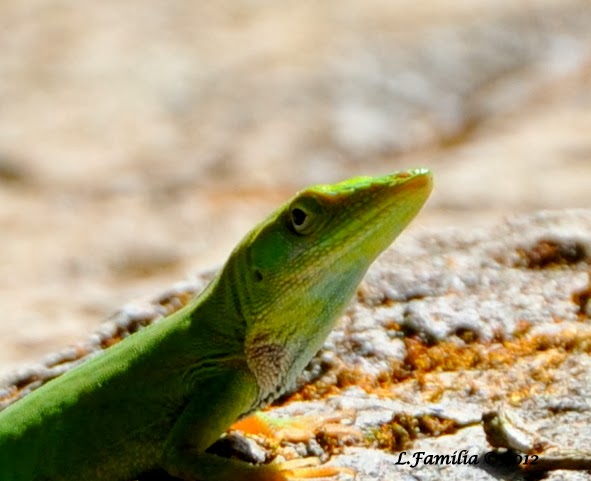
Hispaniolan green Anole (Anolis chlorocyanus) Anolis , or anoles, is a  genus  of  iguanian  (anole)  lizards  belonging to the family  Dactyloidae . With 387 species,  Anolis  represents the world's most species-rich  amniote  (terrestrial vertebrates) genus.      The  Hispaniolan green anole  ( Anolis chlorocyanus  ) is a species of  anole  native to the island of  Hispaniola . [1]  It is very similar to the North American species, the  green anole ( Anolis carolinensis ), but males have a light blue throat flap, instead of red. Females and juveniles may have darker green stripes lining the sides of their bodies, but males are often a pure bright green color. This species was introduced into the  Florida Everglades  and is considered invasive. ( Wikipedia, 2014) Anolis whitermani (Photo: D. Flores) Endemic Anole from D.R. Anolis strahmi An endemic anol...

Wetlands in D.R.

Imagen
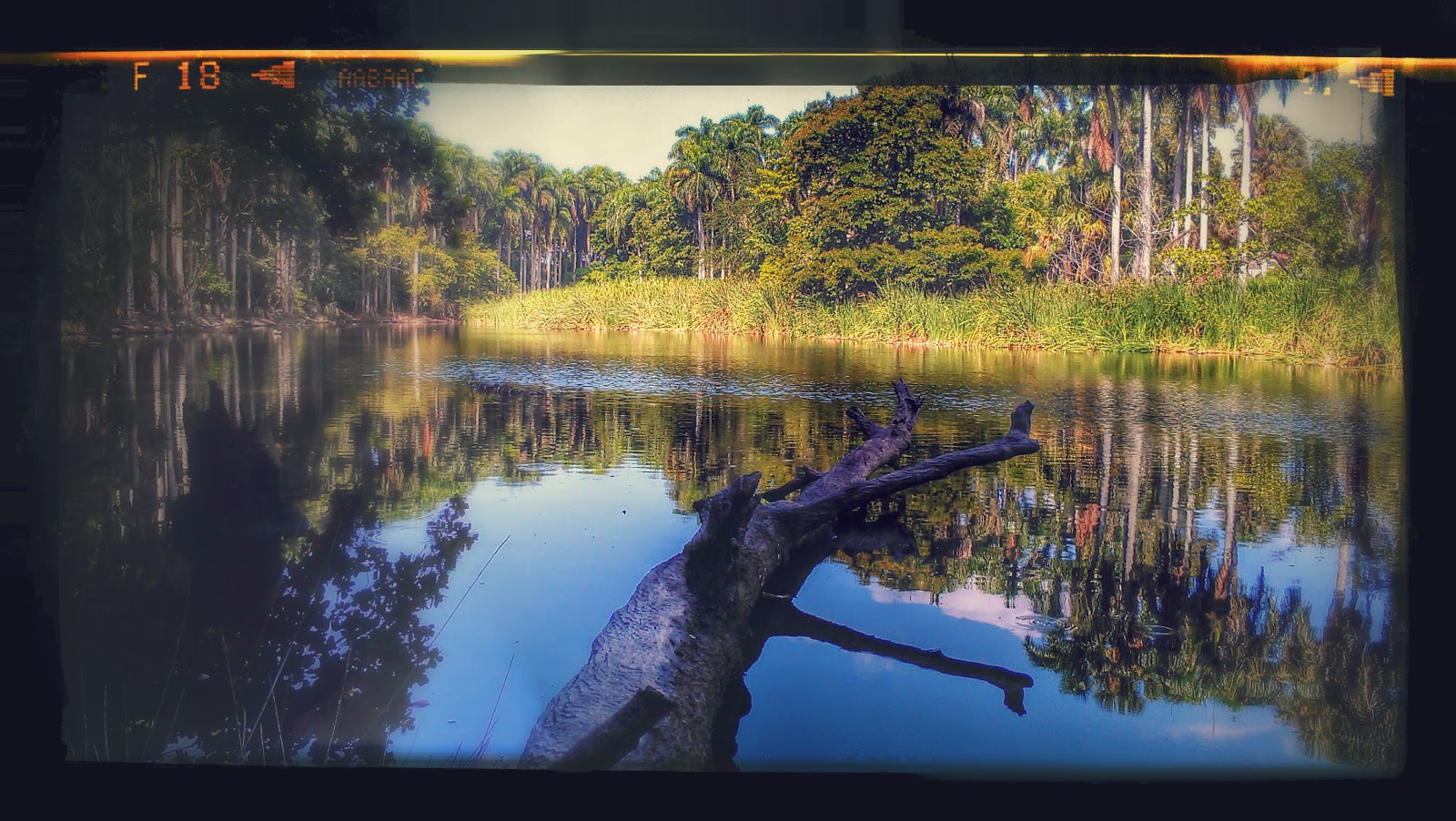
A  wetland  is a land area that is  saturated  with  water , either permanently or seasonally, such that it takes on the characteristics of a distinct  ecosystem . Primarily, the factor that distinguishes wetlands from other land forms or water bodies is the characteristic  vegetation  that is adapted to its unique soil conditions. Wetlands consist primarily of  hydric soil , which supports  aquatic plants . [ 3] [ 4] The water found in wetlands can be  saltwater ,  freshwater , or  brackish . Main wetland types include  swamps ,  marshes ,  bogs  and  fens . Sub-types include  mangrove ,  carr , pocosin , and  varzea .                                                    text from:  http://en.wikipedia.org/wiki/Wetland View...

Epiphytic plants in D.R.

Imagen
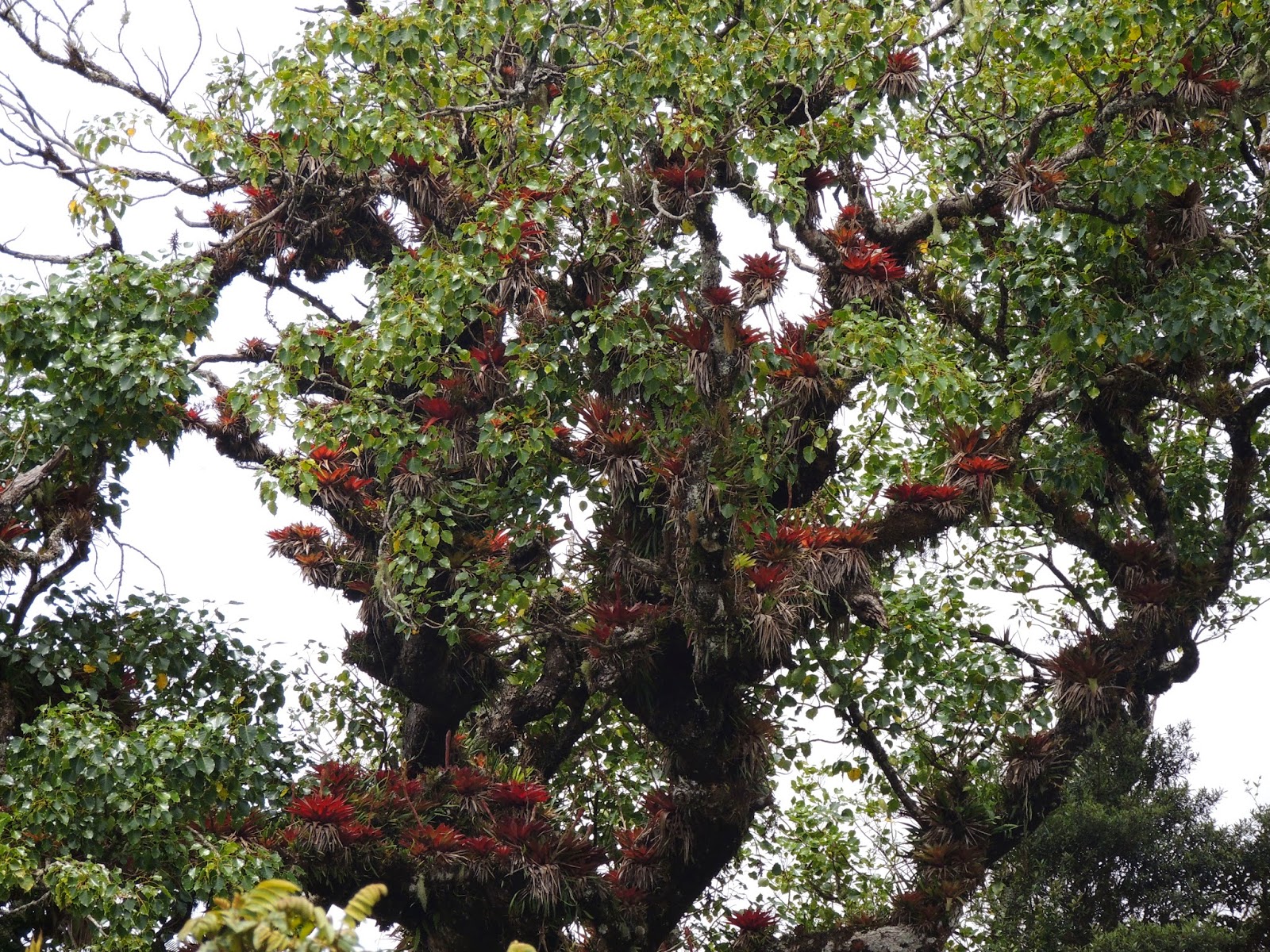
Epiphyte plants upon a palo de viento (Schefflera tremula) in Sierra de Neiba National Park. Epiphyte plant of the Bromeliaceae family (Red one) and an specie of fern growing upòn a trunk. An  epiphyte  is a plant that grows non-parasitically upon another plant (such as a tree), and derives its moisture and nutrients from the air, rain, and sometimes from debris accumulating around it instead of the structure it is fastened to. An epiphytic organism that is not a plant is not called an epiphyte.  Epiphytes are usually found in the temperate zone (e.g., many mosses ,  liverworts ,  lichens , and  algae ) or in the tropics (e.g., many  ferns ,  cacti ,  orchids , and bromeliads ). Epiphytes provide a rich and diverse habitat for other organisms including animals, fungi, bacteria, and  myxomycetes . Epiphytic plants use  photosynthesis  for energy and (where non-aquatic) obtain moisture from the air or from da...

Deforestacion en la Republica Dominicana

Imagen
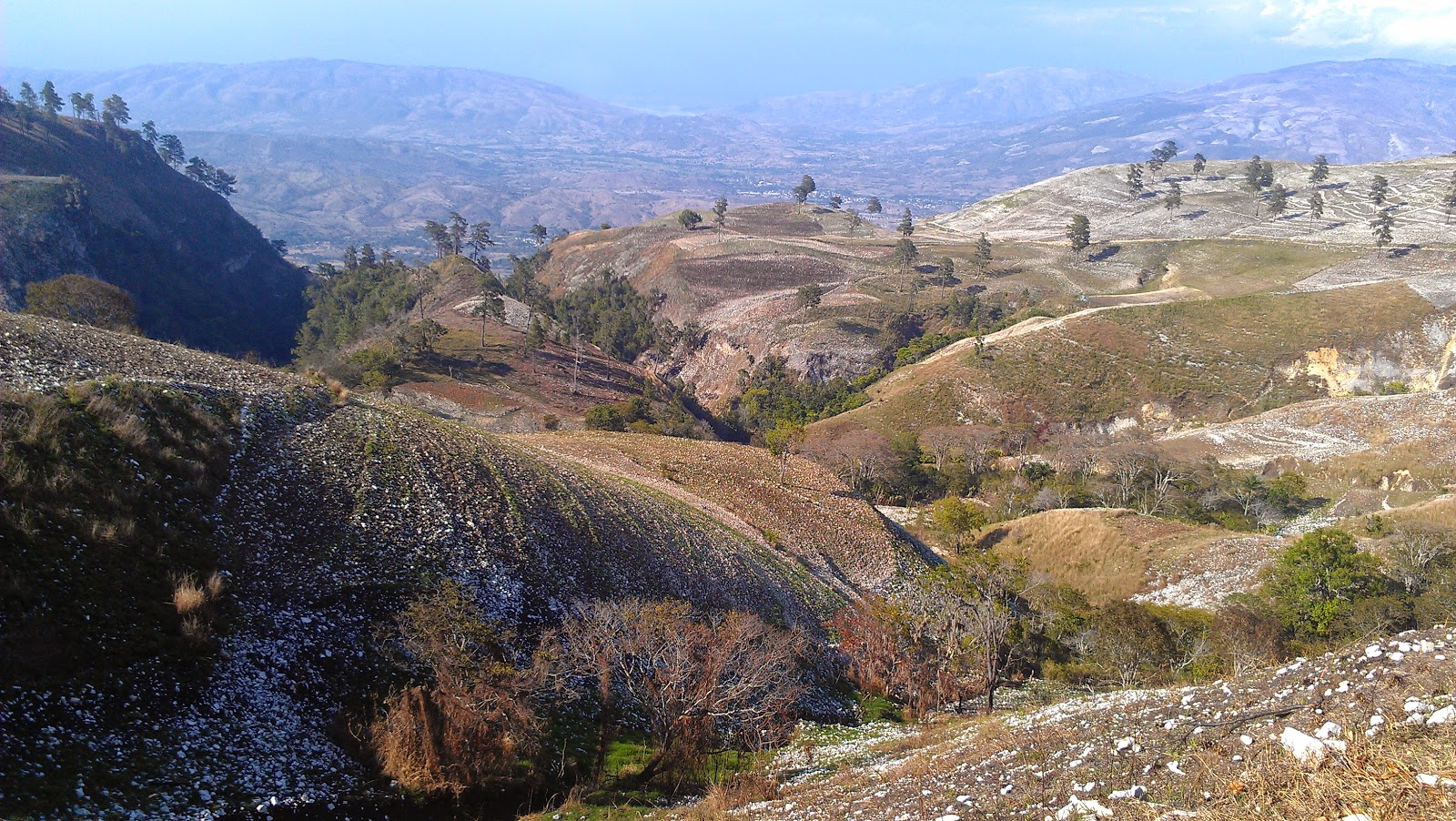
La deforestación se conoce como uno de los problemas ambientales más importantes de la isla Hispaniola. Mediante este complicado fenómeno aliado al fuego, el hacha y modos de vida antiguo se vino eliminando la mayor parte de bosques originales que se poblaron en los ambientes. Los bosques tropicales de la Hispaniola no pudieron resistir una mentalidad que veía en lo verde y exuberante de sus gigantes árboles aporte a la economía o tierra fértil para cultivar, con esta creencia fueron perdiéndose en diversos periodos sus áreas forestales durante varios siglos.(Periodico Hoy, 2009)  La deforestacion :es la destrucción a gran escala del bosque debido a la acción humana, generalmente para la utilización de la tierra para otros usos. El  aprovechamiento   irracional de los  bosques   de caoba y pino se señala como una de las principales causas de la desaparición de los bosques del país. A pesar de que la República Dominicana se considera como eminentemen...

La Gran Sabana National park, the most salty place in Dominican Republic

Imagen
La Gran Sabana National Park was created , in order to preserve samples of most unique biodiversity of the vast plain Neiba Valley or Eastern portion of the Hoya de Enriquillo dominated by hypersaline soils and wetlands result of lifting the bed of the old canal linking ocean bays Neiba and Port au Prince, where the substrate is dominated by salt crusts even without natural vegetation or without tree botanical autochthonous expressions except succulents coastal shrubs and cacti , among other floral species . It also covers the hill near the La Sal mountains of Bahoruco National Park. The Enriquillo basin , also called Enriquillo Valley or Valley Neiba , is a very peculiar physiognomy domain within the Caribbean region. This is a spectacular plain affected by a semi-arid climate due to the " shadow effect " that the Cordillera Central and the Sierra de Neiba exercise on rainy fronts from the north and northeast . With guidance EO Neiba connected bays and Port au Prince, bei...