Entradas

Wetlands in D.R.

Imagen
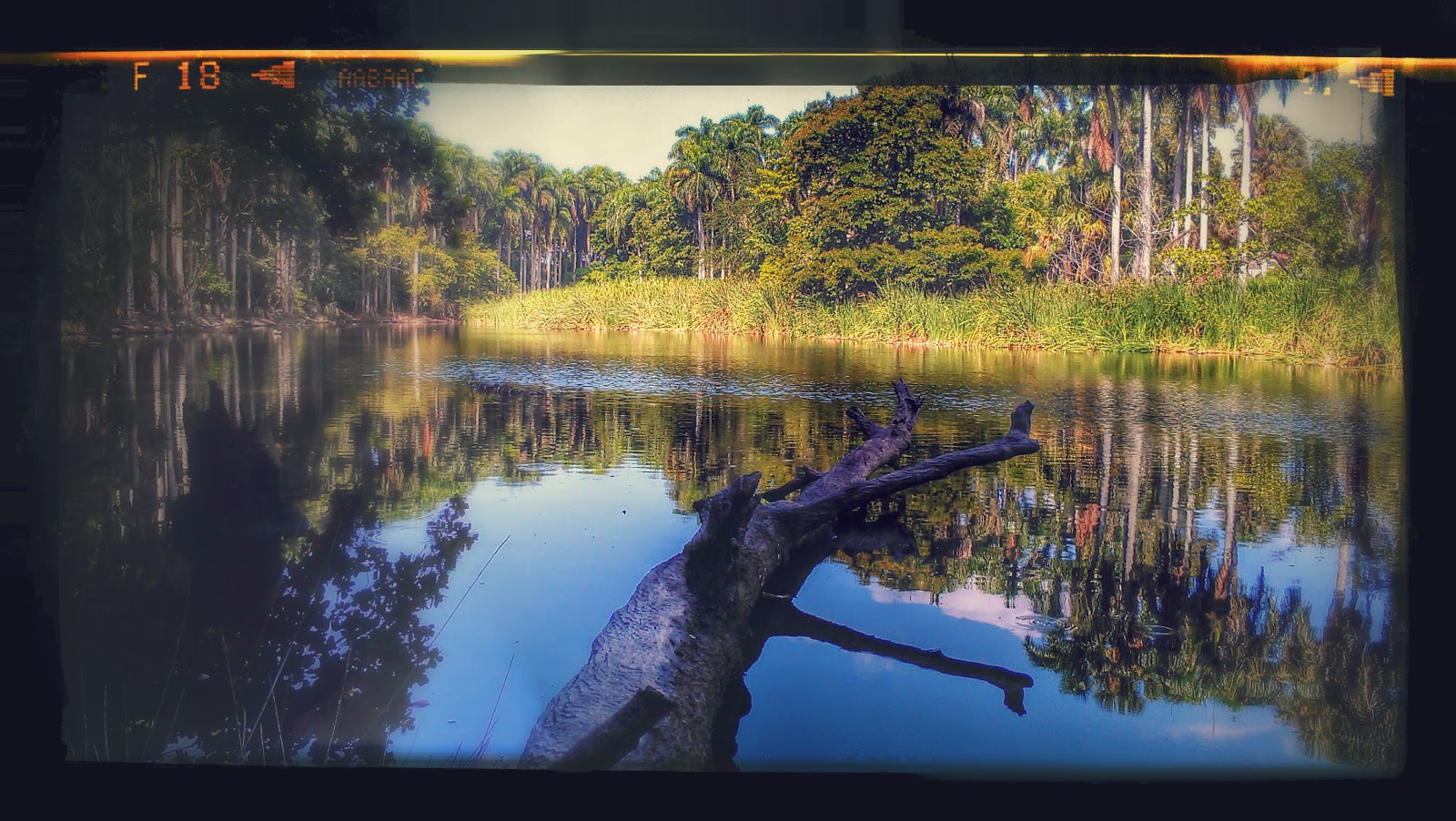
A  wetland  is a land area that is  saturated  with  water , either permanently or seasonally, such that it takes on the characteristics of a distinct  ecosystem . Primarily, the factor that distinguishes wetlands from other land forms or water bodies is the characteristic  vegetation  that is adapted to its unique soil conditions. Wetlands consist primarily of  hydric soil , which supports  aquatic plants . [ 3] [ 4] The water found in wetlands can be  saltwater ,  freshwater , or  brackish . Main wetland types include  swamps ,  marshes ,  bogs  and  fens . Sub-types include  mangrove ,  carr , pocosin , and  varzea .                                                    text from:  http://en.wikipedia.org/wiki/Wetland View...
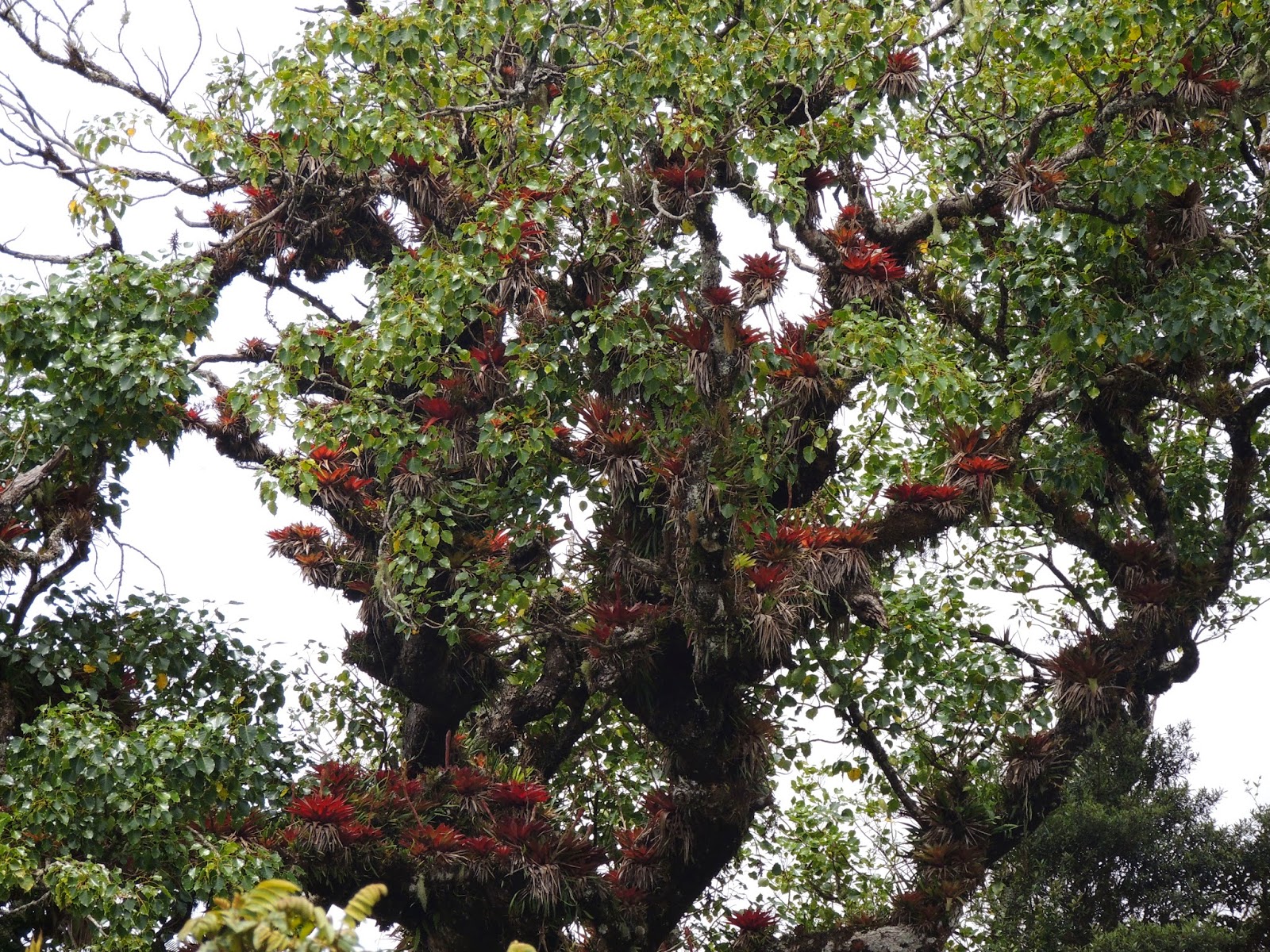
Epiphytic plants in D.R.

Imagen
Epiphyte plants upon a palo de viento (Schefflera tremula) in Sierra de Neiba National Park. Epiphyte plant of the Bromeliaceae family (Red one) and an specie of fern growing upòn a trunk. An  epiphyte  is a plant that grows non-parasitically upon another plant (such as a tree), and derives its moisture and nutrients from the air, rain, and sometimes from debris accumulating around it instead of the structure it is fastened to. An epiphytic organism that is not a plant is not called an epiphyte.  Epiphytes are usually found in the temperate zone (e.g., many mosses ,  liverworts ,  lichens , and  algae ) or in the tropics (e.g., many  ferns ,  cacti ,  orchids , and bromeliads ). Epiphytes provide a rich and diverse habitat for other organisms including animals, fungi, bacteria, and  myxomycetes . Epiphytic plants use  photosynthesis  for energy and (where non-aquatic) obtain moisture from the air or from da...

Deforestacion en la Republica Dominicana

Imagen
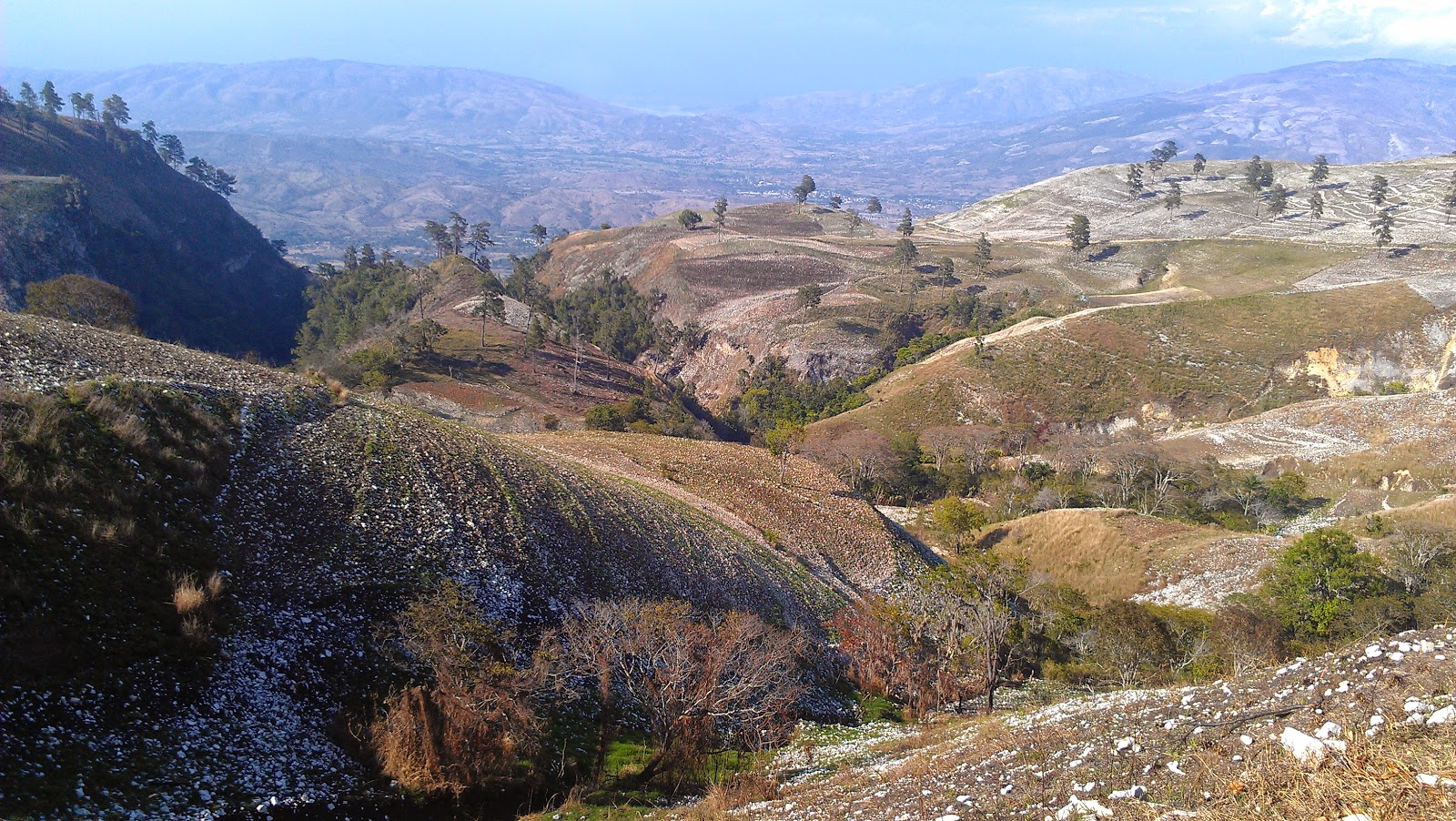
La deforestación se conoce como uno de los problemas ambientales más importantes de la isla Hispaniola. Mediante este complicado fenómeno aliado al fuego, el hacha y modos de vida antiguo se vino eliminando la mayor parte de bosques originales que se poblaron en los ambientes. Los bosques tropicales de la Hispaniola no pudieron resistir una mentalidad que veía en lo verde y exuberante de sus gigantes árboles aporte a la economía o tierra fértil para cultivar, con esta creencia fueron perdiéndose en diversos periodos sus áreas forestales durante varios siglos.(Periodico Hoy, 2009)  La deforestacion :es la destrucción a gran escala del bosque debido a la acción humana, generalmente para la utilización de la tierra para otros usos. El  aprovechamiento   irracional de los  bosques   de caoba y pino se señala como una de las principales causas de la desaparición de los bosques del país. A pesar de que la República Dominicana se considera como eminentemen...

La Gran Sabana National park, the most salty place in Dominican Republic

Imagen
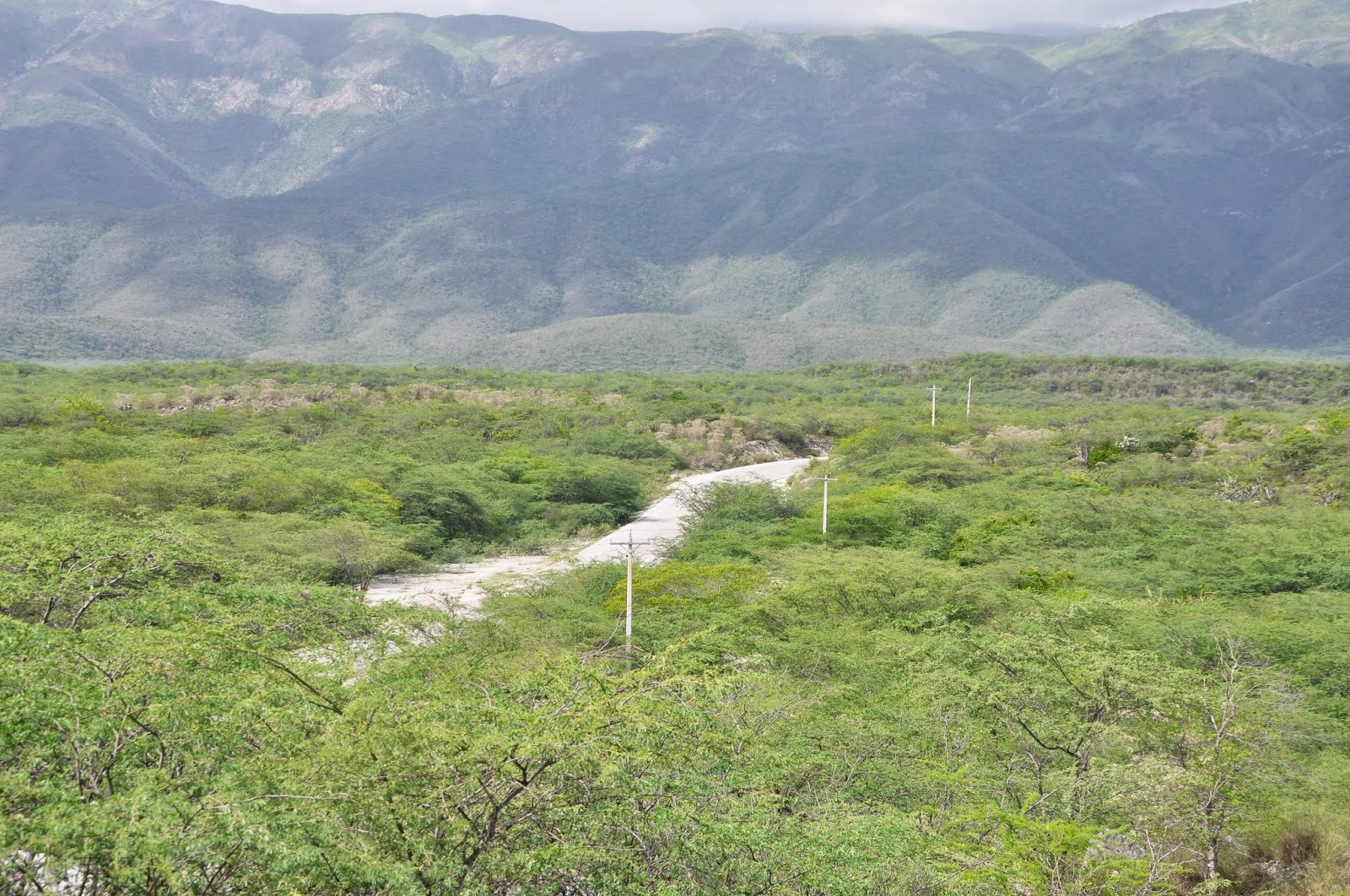
La Gran Sabana National Park was created , in order to preserve samples of most unique biodiversity of the vast plain Neiba Valley or Eastern portion of the Hoya de Enriquillo dominated by hypersaline soils and wetlands result of lifting the bed of the old canal linking ocean bays Neiba and Port au Prince, where the substrate is dominated by salt crusts even without natural vegetation or without tree botanical autochthonous expressions except succulents coastal shrubs and cacti , among other floral species . It also covers the hill near the La Sal mountains of Bahoruco National Park. The Enriquillo basin , also called Enriquillo Valley or Valley Neiba , is a very peculiar physiognomy domain within the Caribbean region. This is a spectacular plain affected by a semi-arid climate due to the " shadow effect " that the Cordillera Central and the Sierra de Neiba exercise on rainy fronts from the north and northeast . With guidance EO Neiba connected bays and Port au Prince, bei...

Biological reserve Loma de Charco Azul, a living laboratory in the mountain

Imagen
it's a protected area located in the southern region of D.R. in Bahoruco Mountains, near of the border with Haiti, was incorporated into the National System of Protected Areas by Decree No. 249-11, with the aim of conserving representative samples of dry forest and transitional forest on the northern slopes and foothills of the Sierra Bahoruco and especially natural habitat and breeding sites for several species of native and endemic bird species of the hispaniolan island, like  Cua (bay-breasted Cuckoo) , Parrot, Parakeet and pajaro Bobo ( Hispaniolan Lizard Cuckoo ) and own several populations of migratory birds in these environments, many of which face different threat category.  The total area of the reserve comprises 174.19 km2, this area is predominantly covered by vegetation of dry forest in the lower zones, transition zone to Wet and Dry Rainforest in the higher areas. Dry forest, in the lowest area of the  Biological reserve Loma de Charco Azul   ...

Cacheo ( Pseudophoenix vinifera) , sugar palm from hispaniola

Imagen
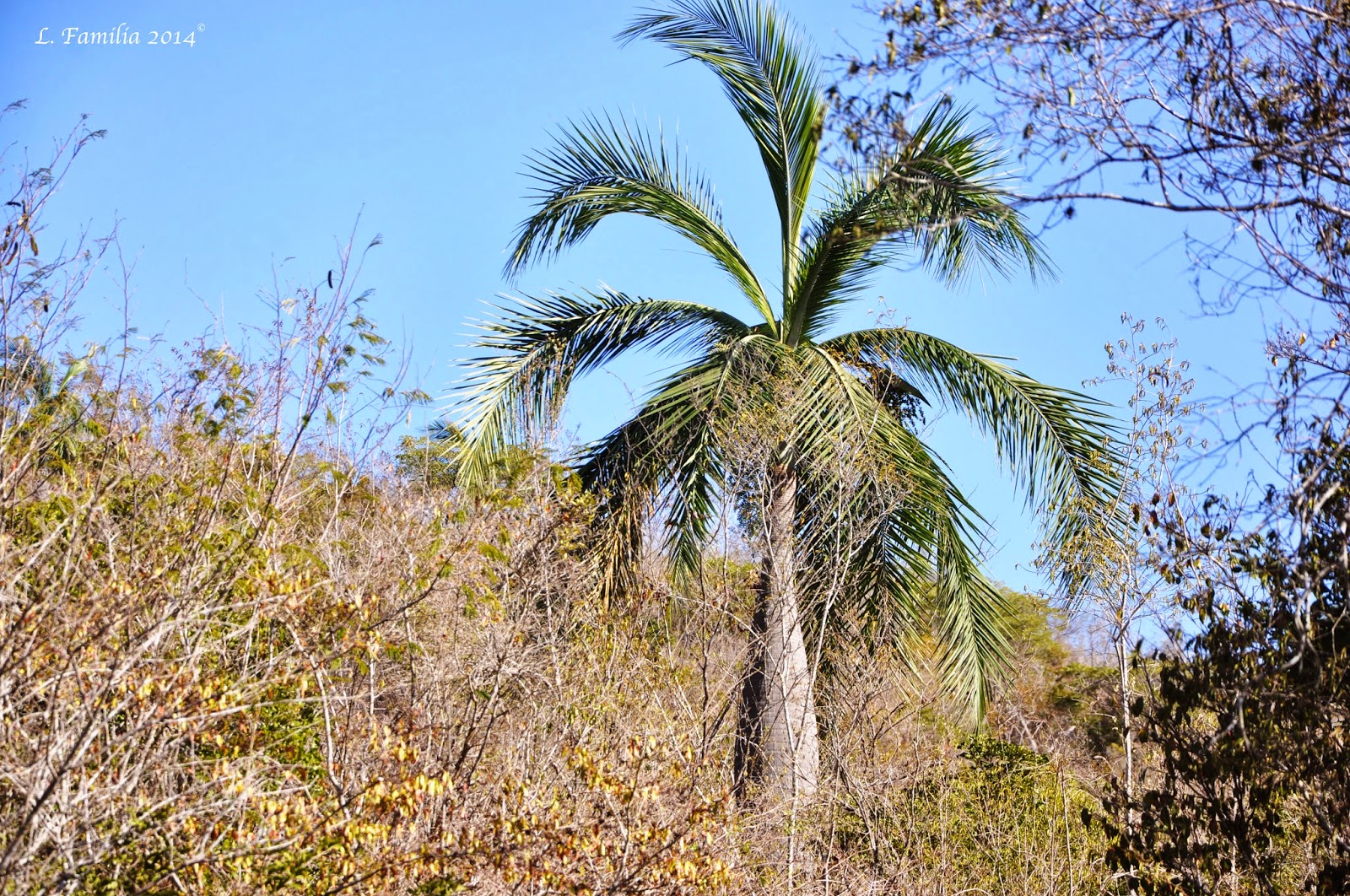
Pseudophoenix vinifera,  es una  especie  de  palmera  endémica de la  Hispaniola .        Pseudophoenix vinifera  ( Cacheo ,  Katié )  is a  palm  species  endemic  to  Hispaniol a. its a typical dominican dry forest species Pseudophoenix vinifera comunity, it  was used in the past of  palm wine  production. Trees were cut down and the  pith  extracted, especially from the swollen portion of the stem. Sap was extracted and fermented. [1] [2]   Texto from: http://en.wikipedia.org/wiki/Pseudophoenix_vinifera. Photos taken at Loma Charco Azul National Park, Dominican Republic.

Domincan Subaquatic Fossil Primates/ Fosiles de primates encontrados en cuevas subaquaticas Dominicanas

Imagen
In the Caribbean's Greater Antilles, the fossil record has produced evidence of extinct mammals. Many originally came from South America millions of years ago and have become extinct only recently. Fossil primates have been found in Cuba, Jamaica and Hispaniola. In the Dominican Republic, the Museo del Hombre Dominicano, working with the Dominican Republic Speleogical Society and scientists from Brooklyn College and Northeastern Illinois University, has sponsored the "Antillothrix Project" - named after the first identifiable fossil monkey discovered in the region. Our goal is to collect fossils from subaquatic, freshwater caves and use them to help reconstruct the evolutionary history of the island, including the impact that people have had. Featuring; Renato Rimoli, Siobahn Cook, Alfred Rosenberger Camera: Pietro Donaggio, Phillip Lehman Produced by: Aquavista Films & the Dominican Republic Speleological Society